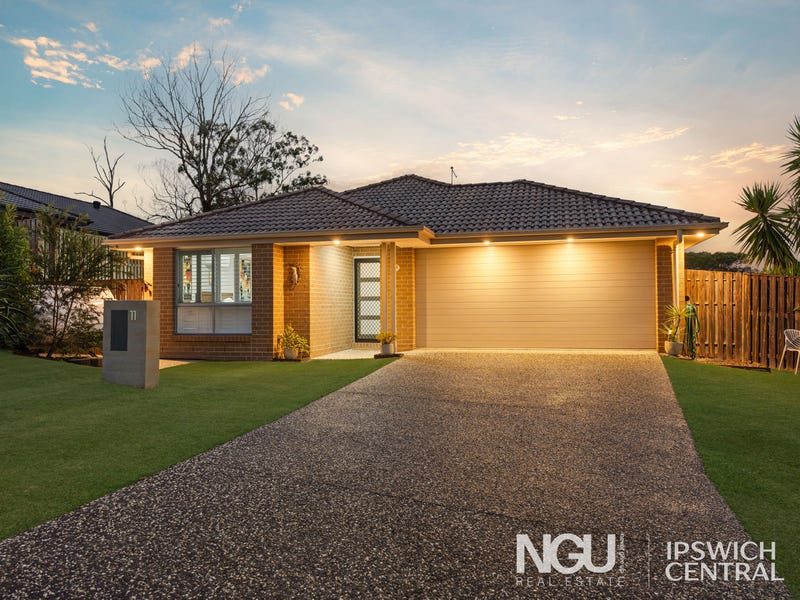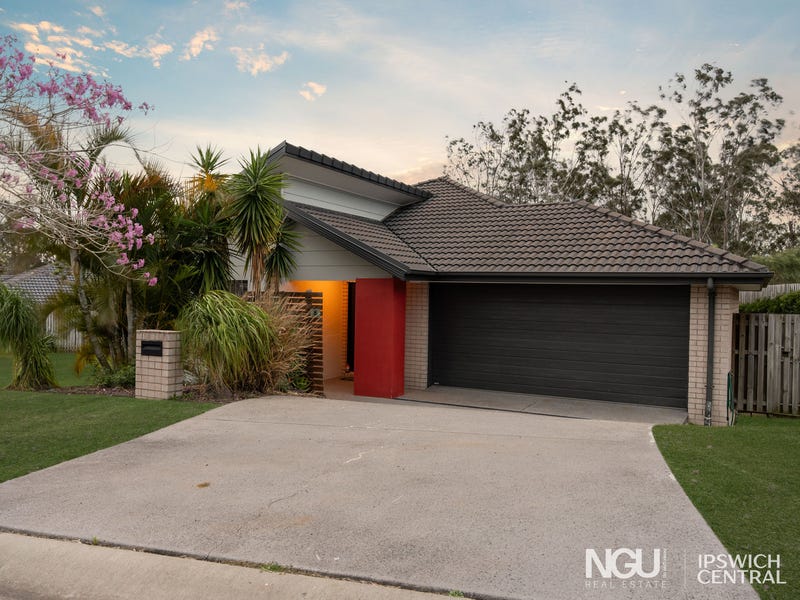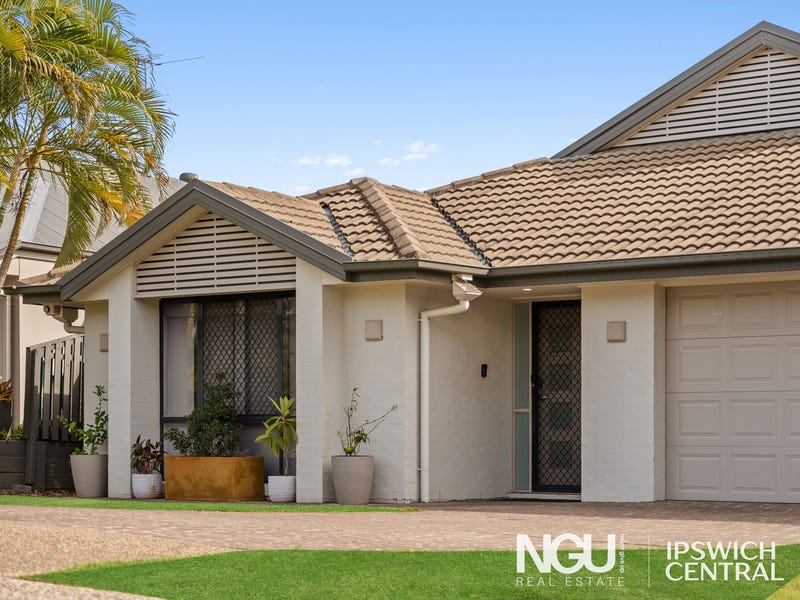
You type your address into a property website and a value appears. It is quick, convenient and easy to take as the answer. But how much does that number really know about your home?
How an online estimate works
Free estimates on websites such as realestate.com.au and Domain use automated models to analyse property data. Depending on the service, this can include recorded property characteristics, previous sales, comparable properties and market trends.
They are more than a simple suburb median. It would be misleading to say they all average every house, unit, townhouse and land sale together. Domain’s explanation of its Home Price Guide describes a range of data used to calculate estimates.
The important limitation is that a model works from the information available to it. It has not walked through your home, and the record it uses may not reflect the home as it is today.
Your home may have changed since the data was recorded
Perhaps you have renovated the kitchen, added a fifth bedroom, installed a pool or improved the outdoor entertaining area. If those changes are missing from the property record, the estimate may be working with an older picture of your home.
Even where the bedroom count and other details are correct, numbers cannot fully explain the quality of a renovation, the flow of the floor plan, the condition of the finishes or how the home feels at an inspection. Two homes with the same bedroom count and land size can offer very different experiences to a buyer.
A pool or an extra bedroom also does not add a fixed dollar amount to every property. Quality, practicality, approvals where relevant and what local buyers are looking for all influence how a feature is received.
Why different websites show different figures
Each service has its own model and available information. An estimate can change as sales are recorded, property details are updated or the model is adjusted. realestate.com.au explains that its automated estimates are updated monthly and may change when its model is refined.
A precise-looking figure is still an estimate. It is not an offer from a buyer, and it does not establish what your home will sell for. Treat it as a useful starting point for a conversation, rather than the final word on your price.
What an in-person appraisal adds
When I visit your Fernvale home, we can look at what the online record may have missed. You can show me the improvements you have made, explain the layout and highlight the features that make living there different.
I can then assess those details alongside recent comparable sales and the properties buyers can choose from today. The aim is to explain where your home fits in the current market, with evidence behind the recommended price range.
That includes discussing both the strengths and the things buyers may question. A useful appraisal should give you a realistic plan, not simply the highest number you have heard.
An appraisal and a formal valuation are different
An agent’s market appraisal helps guide a selling strategy and likely price range. It is not a guarantee of the sale result. A formal valuation is a separate assessment by a qualified valuer, often needed for lending or particular legal and financial purposes. If you need that kind of report, check the requirements with your lender or adviser.
Find out what your home offers today
If an online estimate has left you wondering whether it reflects your home, let’s take a closer look. Have a list of your renovations and additions ready, along with any relevant plans or approvals you hold.
Get in touch to arrange an appraisal of your Fernvale property. We can walk through your home, compare the right local sales and talk about a price range that reflects its individual features and today’s market.